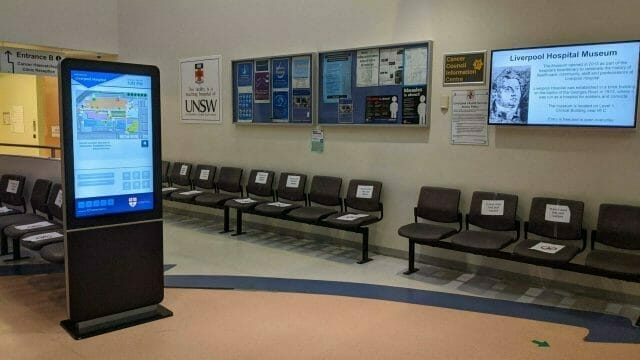

In the digital signage sector, enterprise Content Management Systems (CMS) have traditionally held a monopoly over public screen deployments. Platforms like BrightSign, Scala, and Omnivex offer immense power, granular role-based access control, and sophisticated scheduling matrices. But that power comes with significant overhead: costly licenses, complex server configurations, and steep learning curves.
Over the past two years, an alternative paradigm has gained rapid traction: lightweight, web-native players. Tools like Photos AdvertiseMe demonstrate how streamlined web applications can often outperform heavy CMS stacks for live event, hospitality, and retail photo signage.

The Hidden Costs of Traditional Signage CMS
When deploying screens for corporate events, pop-up showrooms, or social photo walls, traditional CMS platforms introduce noticeable friction points:
- Recurring License Fees: Enterprise platforms typically charge between $15 and $60 per screen every month, creating perpetual operational overhead.
- Content Bottlenecks: When an event photographer or store associate wants to display a new picture, they rarely have direct access to the CMS. Photos must be emailed, approved, resized, and scheduled by a dedicated marketing manager.
- Hardware Constraints: Many enterprise players require specialized proprietary media player hardware, complicating troubleshooting and replacements.
The Agile Advantage of Photos AdvertiseMe
By contrasting enterprise workflows against the nimble architecture of Photos AdvertiseMe, the benefits of modern web players become obvious:
1. Instant Collaborative Ingestion via Google Photos
Instead of requiring access to a secure CMS backend, content contributors simply upload images to a shared Google Photos album from their mobile devices. Google handles high-availability image storage and CDN distribution; Photos AdvertiseMe pulls the stream directly into the display loop in real time.
2. Instant Browser Deployment
No software packages need to be installed. Any hardware with an integrated browser—from a $35 Amazon Fire TV stick to an all-in-one commercial touch kiosk—can load photos.advertiseme.tv and begin broadcasting instantly.

Hybrid Architectures: The Best of Both Worlds
Crucially, adopting Photos AdvertiseMe does not mean abandoning your existing CMS investment. Many enterprise networks utilize Photos AdvertiseMe as a modular web widget embedded directly into an <iframe> zone on their primary layout. This allows companies to maintain centralized corporate banners while delegating the live photo zone to staff via Google Photos.
Try a Faster, Smarter Way to Manage Photo Signage
Eliminate CMS bottlenecks and licensing costs for your photo streams. Deploy your screens today with Photos AdvertiseMe—completely free.
Conclusion
Enterprise CMS platforms will always have their place in large-scale mission-critical wayfinding and programmatic advertising. But when the objective is dynamic, real-time visual storytelling, agile web tools like Photos AdvertiseMe deliver unmatched speed, zero cost, and effortless collaborative power.