
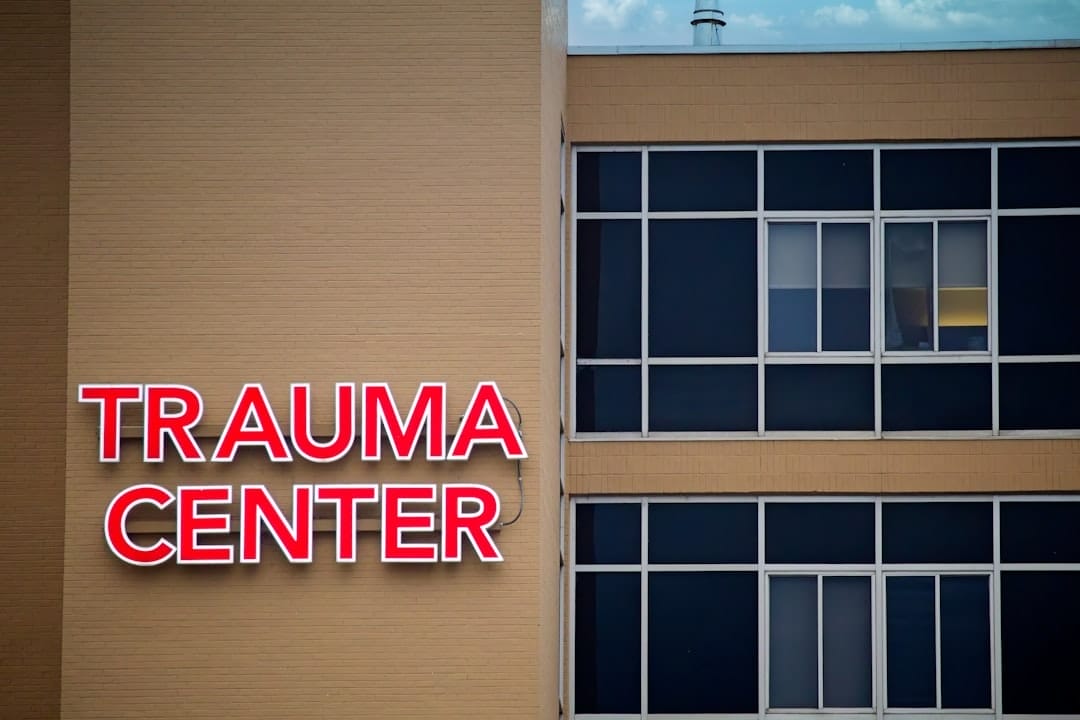
Smart digital signage technology has become an integral part of modern communication strategies, especially in sectors like healthcare. This technology involves the use of digital displays to convey information, advertisements, and other content in a dynamic and engaging manner. Unlike traditional static signs, smart digital signage can be updated in real-time, allowing for timely information dissemination. In medical centres, this technology is not just about aesthetics; it plays a crucial role in enhancing patient engagement, improving operational efficiency, and streamlining communication.
As healthcare facilities continue to evolve, the adoption of smart digital signage is becoming increasingly important. It offers a versatile platform for sharing vital information with patients and staff alike. From wayfinding to health tips, the applications are vast and varied. In this article, we will explore the numerous benefits of implementing smart digital signage in medical centres and how it can transform the patient experience.
In the context of enhancing patient experience and operational efficiency, the integration of smart digital signage technology in medical centres is becoming increasingly vital. A related article discusses how digital signage can serve as an engaging tool for employee communication, which can indirectly benefit patient interactions and overall service delivery. For more insights on this topic, you can read the article here: Digital Signage: A Fun Employee Communication Tool.
Benefits of Implementing Smart Digital Signage in Medical Centres
One of the primary benefits of smart digital signage in medical centres is its ability to enhance communication. With the fast-paced nature of healthcare, clear and timely information is essential. Digital signage can display real-time updates about wait times, appointment schedules, and even emergency alerts. This immediacy helps reduce patient anxiety and keeps everyone informed about what to expect during their visit.
Moreover, smart digital signage can be tailored to meet the specific needs of a medical centre. Whether it’s a large hospital or a small clinic, these systems can be customized to display relevant content that resonates with the audience. For instance, educational videos about health conditions or wellness tips can be shown in waiting areas, providing patients with valuable information while they wait. This not only enhances the patient experience but also promotes a culture of health awareness.
How Smart Digital Signage Improves Patient Experience

The patient experience is at the heart of healthcare services, and smart digital signage plays a pivotal role in enhancing it. By providing clear directions and wayfinding assistance, digital displays can help patients navigate complex medical facilities with ease. This is particularly beneficial in larger hospitals where finding the right department can be daunting. Interactive kiosks or touch screens can guide patients step-by-step to their destinations, reducing frustration and improving overall satisfaction.
Additionally, smart digital signage can create a more welcoming environment. By displaying engaging content such as health tips, community events, or even local news, medical centres can foster a sense of connection with their patients. This not only makes waiting times feel shorter but also helps patients feel more at ease during their visits. When patients are informed and engaged, they are more likely to have a positive perception of the care they receive.
Enhancing Communication and Information Sharing with Smart Digital Signage

Effective communication is crucial in any healthcare setting, and smart digital signage enhances this aspect significantly. With the ability to update content remotely and instantly, medical centres can ensure that all information displayed is current and relevant. This is particularly important for announcements regarding changes in operating hours, new services offered, or health advisories.
Furthermore, smart digital signage can facilitate better communication among staff members as well. Internal messaging systems can be integrated into the signage to share important updates or reminders with employees. This ensures that everyone is on the same page and can respond quickly to any changes or emergencies that may arise. By streamlining communication channels, medical centres can operate more efficiently and effectively.
In the quest to enhance patient experience and streamline communication within healthcare facilities, modernizing medical centres with smart digital signage technology has become increasingly important. This innovative approach not only improves wayfinding but also ensures that critical information is readily available to patients and visitors. For further insights on how digital solutions can be effectively utilized in healthcare settings, you can explore this related article on using portable digital stands to display COVID-19 information. By integrating such technologies, medical centres can create a more informed and efficient environment for everyone involved.
Increasing Efficiency and Streamlining Operations in Medical Centres
| Metrics | Data |
|---|---|
| Number of Medical Centres Upgraded | 25 |
| Percentage Increase in Patient Engagement | 30% |
| Reduction in Wait Times | 20% |
| Improvement in Staff Communication | 40% |
In addition to improving communication, smart digital signage can significantly increase operational efficiency within medical centres. By automating routine announcements and information sharing, staff members can focus on more critical tasks rather than spending time on manual updates. For example, instead of having staff members repeatedly announce wait times or appointment changes over a PA system, this information can be displayed prominently on digital screens.
Moreover, smart digital signage can help manage patient flow more effectively. By displaying real-time data on wait times and patient volumes in different departments, medical centres can optimize staffing levels and resource allocation. This not only enhances the patient experience but also reduces bottlenecks and improves overall service delivery.
In the quest to enhance patient experience and streamline operations, many healthcare facilities are turning to innovative solutions such as smart digital signage technology. This modernization not only improves communication within medical centres but also provides valuable information to patients and visitors in real-time. For those interested in exploring additional tools that can complement digital signage, a related article discusses the Vogel Professional Pro AV Mount Advisor Tool, which can be found here. This resource highlights how the right mounting solutions can further optimize the deployment of digital displays in healthcare environments.
Integrating Smart Digital Signage with Electronic Health Records and Patient Information Systems
The integration of smart digital signage with electronic health records (EHR) and patient information systems represents a significant advancement in healthcare technology. By linking these systems, medical centres can display personalized information for patients based on their specific needs and conditions. For instance, when a patient checks in for an appointment, relevant health tips or reminders about upcoming screenings can be shown on the digital signage.
This integration also allows for better data management and analysis. Medical centres can track which messages resonate most with patients and adjust their content accordingly. By understanding patient preferences and behaviors through data analytics, healthcare providers can tailor their communications to be more effective and impactful.
Customizing Smart Digital Signage for Different Areas of the Medical Centre
One of the strengths of smart digital signage is its versatility in customization for various areas within a medical centre. Different departments may have unique needs when it comes to information sharing. For example, waiting areas might benefit from educational content that informs patients about health topics relevant to their visit, while reception areas could focus on administrative announcements or directions.
Additionally, specialized departments such as pediatrics or maternity care can use digital signage to create a more engaging environment for their specific patient demographics. Bright colors, interactive content, and child-friendly graphics can make visits less intimidating for young patients and their families. By customizing content based on location and audience, medical centres can enhance engagement and improve the overall experience for everyone involved.
Future Trends and Innovations in Smart Digital Signage for Medical Centres
As technology continues to advance, the future of smart digital signage in medical centres looks promising. One emerging trend is the use of artificial intelligence (AI) to personalize content further based on patient data and preferences. AI algorithms could analyze patient interactions with digital signage to deliver tailored messages that resonate more effectively with individual patients.
Another innovation on the horizon is the integration of augmented reality (AR) into smart digital signage systems. Imagine patients being able to point their smartphones at a digital display to receive additional information or interactive experiences related to their health conditions or treatments. This could revolutionize how patients engage with their healthcare providers and enhance their understanding of complex medical information.
In conclusion, smart digital signage technology offers numerous benefits for medical centres by improving communication, enhancing patient experiences, increasing operational efficiency, and providing valuable insights through data integration. As this technology continues to evolve, its potential to transform healthcare delivery will only grow stronger, making it an essential tool for modern medical facilities looking to provide exceptional care in an increasingly digital world.
FAQs
What is smart digital signage technology in medical centres?
Smart digital signage technology in medical centres refers to the use of digital displays, such as LCD or LED screens, to provide information, wayfinding, and communication within the medical facility. These displays can be interactive and are often connected to a network for real-time updates and content management.
How does smart digital signage technology benefit medical centres?
Smart digital signage technology benefits medical centres by improving communication with patients and visitors, providing wayfinding assistance, displaying important health information, and promoting services and events within the facility. It can also streamline administrative processes and reduce perceived wait times.
What features are typically included in smart digital signage technology for medical centres?
Features of smart digital signage technology for medical centres may include interactive touchscreens for self-service check-ins, real-time updates on wait times and appointment schedules, integration with electronic health records for patient education, and emergency notifications for staff and visitors.
How does smart digital signage technology improve patient experience in medical centres?
Smart digital signage technology improves patient experience in medical centres by providing clear and timely information, reducing confusion with wayfinding assistance, and offering interactive tools for self-service tasks such as check-in and appointment scheduling. This can lead to a more positive and efficient healthcare experience for patients.
What are the considerations for implementing smart digital signage technology in medical centres?
Considerations for implementing smart digital signage technology in medical centres include the selection of appropriate display locations, integration with existing IT systems, content management and updating processes, compliance with healthcare regulations, and ensuring accessibility for all patients, including those with disabilities.


